

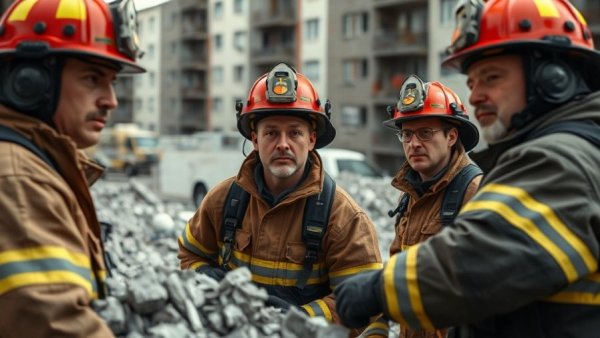
Understanding the Causes Behind the Brooklyn Collapse
On November 11, 2023, an unfortunate incident shook the Brooklyn construction community when a mixed-use building at 1321 Flatbush Ave collapsed. This triggered an active investigation into the structural integrity of the project, with a focus on what was built compared to what was planned. Forensic engineers from LERA Consulting Structural Engineers have been enlisted to uncover the truth by utilizing advanced technologies like LiDAR and drones to assess the field conditions accurately.
The Role of Proper Excavation Practices
Root cause investigations in construction incidents often highlight the importance of rigorous excavation practices. In the case of the Flatbush Ave collapse, foundational laborers have claimed that there was a lack of adequate underpinning and structural support. This is a critical point for contractors and builders, as it underscores the need for strict adherence to excavation support plans. It’s reported that W.G. NY Construction Corp., the subcontractor involved, had previously been cited for serious safety violations related to excavation work.
The Legal Implications of Safety Violations
Five laborers employed by the subcontractor have also initiated a lawsuit alleging that safety measures regarding the shoring and monitoring were deficient. According to federal OSHA records, this company had previously accumulated penalties, indicating a pattern of negligence that could bear heavily on the outcome of the legal proceedings. For construction professionals, this serves as a stark reminder of the consequences of workplace safety violations, not just financially but also in terms of reputation and trust within the community.
Future Projections: Learning from Failures
The repercussions of this collapse extend beyond immediate safety concerns; they prompt a critical examination of construction methodologies and safety regulations in the U.S. The Department of Buildings (DOB) is reviewing geotechnical reports, and this investigation may lead to revisions in the regulations governing excavation support across New York City. Construction professionals are likely to witness a push for enhanced oversight and more rigorous compliance standards in the industry.
Importance of Monitoring Systems
One of the key aspects being examined is the state of monitoring systems which were supposed to be in place during excavation at 1321 Flatbush. Approved plans included eight vibration monitoring points, but records have not yet confirmed whether these systems were functional prior to the collapse. This highlights a crucial lesson for project managers and engineers: the importance of continually verifying the effectiveness of safety systems throughout the construction process. Proactive monitoring can help identify issues before they escalate into disasters.
Why This Matters to Construction Professionals
The situation surrounding the Brooklyn collapse serves as a critical case study for construction professionals. With a close eye on compliance and a deeper understanding of excavation safety, contractors and project managers can better ensure the structural integrity of their projects. Insights gleaned from this incident could pave the way for improved safety regulations, better training for workers, and ultimately, fewer tragedies.
As we await the full investigation results from LERA and the DOB, the industry must remain vigilant regarding safety compliance and innovative technologies that can enhance risk mitigation on site.





Write A Comment