

Understanding Trump’s New Executive Order for Contractors
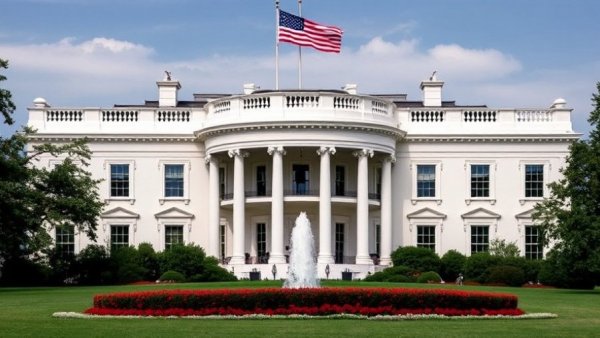
On November 24, 2026, former President Donald Trump issued a new executive order that significantly affects federal contractors in the United States. This order mandates that all federal contractors must coordinate directly with the White House on matters related to congressional inquiries. This directive is likely to have far-reaching implications for how contractors engage with federal oversight and compliance.
Implications for the Construction Industry
For construction professionals and contractors, understanding this executive order is crucial. With increased demands for transparency, companies working on federal projects must now ensure their operations align with the White House’s expectations. This coordination means that contractors will likely be under more scrutiny regarding safety, labor practices, and compliance with materials regulations. The order emphasizes the importance of maintaining a strong relationship with federal officials, which could translate into changes in how bids are structured and informational communication handled.
Enhanced Safety and Labor Practices
Given Trump's administration's historical focus on labor and infrastructure, this order may further enforce existing regulations around safety standards and labor rights. Contractors could find themselves adapting to more rigorous oversight, possibly leading to improved safety outcomes across projects. The executive order not only prioritizes efficient project execution but also insists that safety protocols are adhered to, ensuring that the well-being of workers is paramount on job sites.
Risk Management Considerations
Contractors should proactively address how this executive order might affect their risk management strategies. Agencies and construction firms that remain unaware of these changes could face harsher consequences if found non-compliant, as the order potentially sets a framework for evaluating contracts based on adherence to White House directives. This shift underscores the need for project managers to develop robust compliance strategies to manage both legal risks and reputational challenges.
Future Trends in Federal Contracting
As the construction industry adapts to these changes, it is crucial to stay informed on how federal policies evolve. This executive order can be seen as a pivot toward a more centralized coordination model regarding federal contracts. Builders and contractors will likely need to focus on not only meeting existing requirements but also anticipating future directives that might stem from this order.
Conclusion and Call to Action
In light of these developments, it's essential for construction professionals to stay engaged with industry associations and updates from federal agencies. Understanding the nuances of Trump's executive order will be critical in navigating upcoming bids and ensuring compliance with new regulations. Be proactive: reach out to your industry peers, attend seminars related to federal contracting, and consider consultations with compliance experts to best position your business in this changing landscape.



Write A Comment