

The Urgency of Filling Key Regulatory Posts
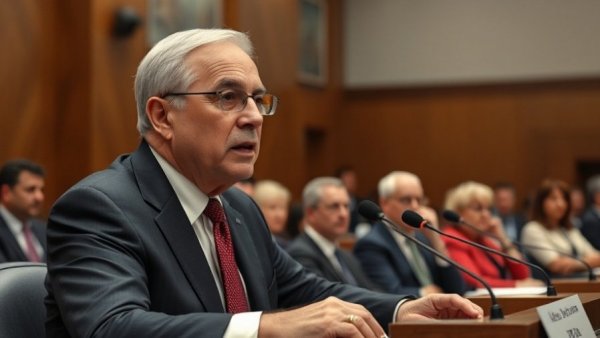
As the clock ticks down on the current Republican majority in the Senate, urgency fills the air for Senate GOP leaders attempting to confirm President Trump's nominees for critical regulatory positions. With the Democrats gearing up to take control of both chambers of Congress in January, the window for the GOP to push through confirmations of judicial and executive appointments is closing fast. More than 30% of key public service roles, specifically within the 15 cabinet departments, remain unfilled. This vacuum creates significant unease among construction professionals and industry decision-makers who rely on stable regulatory environments.
Why Industry Professionals Should Care
For professionals in construction and engineering, the implications of these confirmations can't be understated. A number of confirmed positions directly impact sectors related to infrastructure, safety, and environmental regulations. For instance, the nominee for the U.S. Environmental Protection Agency’s Office of Air and Radiation, Justin Schwab, would oversee the evolution of air quality regulations under the Clean Air Act. If approved, this could bring about changes affecting how contractors and builders manage emissions during projects, aligning with urgent calls for stricter clean air measures.
Delays and Their Impact on Infrastructure Projects
The potential delays in confirming nominees like Eric Ueland for the Government Accountability Office (GAO) could further exacerbate the already challenging landscape for infrastructure projects. Ueland has faces opposition from Democratic senators who argue that his ties to the Trump administration may hinder the GAO's impartial pursuit of oversight. Delays in regulatory confirmations risk disrupting ongoing and future projects that require guidance and clarity regarding compliance with federal standards.
Opinions Within the Republican Party
The internal dynamics within the Republican party add another layer of complexity to the confirmation process. Notably, North Carolina Republican Senator Thom Tillis expressed strong reservations about Ueland's appointment, opting to hold out for a standalone vote on his nomination instead of allowing it to be bundled with others. This intra-party dissent underscores the magnitude of the stakes involved and the potential ramifications for the broader regulatory landscape and its effect on construction bids.
Future Predictions: What Lies Ahead
Looking forward, if the Republicans fail to secure these confirmations, industry experts predict a tumultuous transition for environmental regulations as Democrats take the reins. Potential shifts could affect compliance costs and bidding processes for construction projects nationwide. The current state of nominees waiting for confirmation might cause a ripple effect, leading to hesitancy among contractors when planning future projects. Strategic foresight is essential; contractors may need to prepare for potentially new regulations that could arise once Democrats take over leadership in the Senate.
What Should Contractors Do Now?
To navigate this uncertain terrain, contractors and builders should stay informed about the nomination status of key regulatory officials. Integrating compliance strategies into everyday operations can help future-proof projects against suddenly changing regulations. Engaging with industry stakeholders and advocating for clarity in regulatory processes will also be vital as a new congressional landscape emerges.
As such, construction professionals would benefit from actively participating in industry forums and discussions about these nominations and their potential impacts. Being proactive now can provide a significant advantage when shaping future projects and bids.




Write A Comment