

The Need for Change in America’s Housing Market
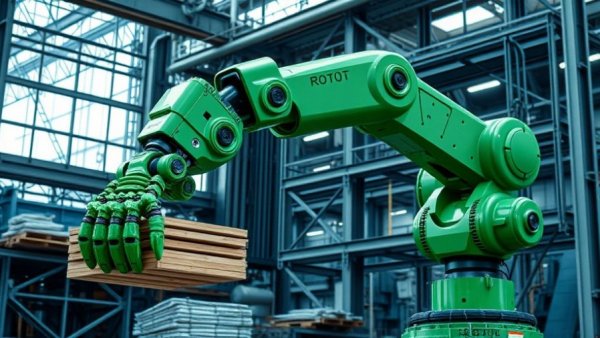
The American housing market is on the brink, with millions of families unable to afford their own homes amidst soaring prices and historical shortages. Following devastating wildfires in parts of California, many homes remain unrebuilt not due to lack of resources but because of outdated construction methods that hinder prompt recovery. In fact, the U.S. is short over four million homes, and builders are grappling with overwhelming material costs and antiquated practices. In order to remedy these critical issues, housing construction must embrace automation, transitioning from traditional methods to more efficient, factory-based models.
Automation: A Solution to the Housing Crisis?
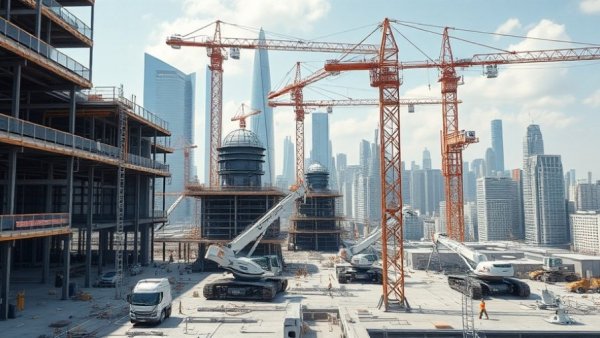
Consider this: if your car was constructed in your driveway, exposed to the elements and requiring a lengthy traditional assembly, it would lead to significant time and cost overruns for car manufacturers. This is exactly what we see in the homebuilding sector today. Despite automation transforming other industries—like automotive and logistics—the U.S. construction industry has remained stagnant; productivity levels are comparable to those of the 1930s. To close the housing gap, the construction cycle needs to undergo serious reform. Implementing automation not only promises faster builds but also a more predictable process that could drastically reduce labor costs and improve safety standards.
Bridging the Gap: The Role of Technology
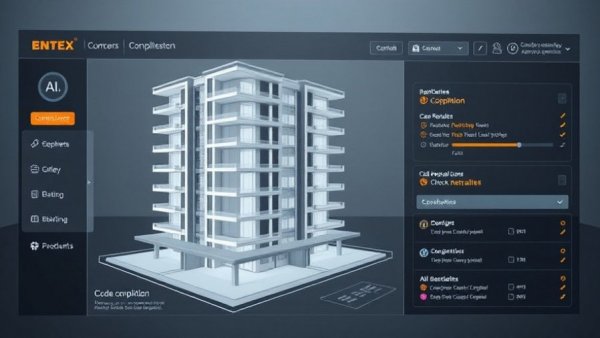
One of the core challenges in homebuilding lies in its decentralization. Managing multiple subcontractors at scattered job sites leads to inefficiencies and delays. By adopting a more centralized production strategy through automation, this cycle can be disrupted significantly. Recent technological advances allow for custom designs to be integrated into a production framework, akin to how Amazon handles logistics through regional centers. Letting technology mitigate complexity in both the design and construction phases can streamline processes and enable a systematic upgrade of outdated building models.
Lessons from Successful Implementations
The potential for automation in construction is not merely theoretical. Previous successes in industries like manufacturing showcase the ability to adapt to localized production demands without compromising on quality. For instance, companies that have successfully automated the assembly of products have also enhanced their ability to customize based on regional demands. To effectively revolutionize homebuilding in the U.S., a similar shift toward independent yet automated building centers is crucial. This approach can pave the way for affordable, high-quality homes that meet diverse consumer needs.
A Future Worth Investing In
Investing in construction technology isn’t just a choice; it’s a necessity for the sustainability of the housing market. As labor shortages persist and the climate crisis mounts, the need for rapid, efficient building processes becomes more pronounced. By embracing automation, stakeholders in the housing market—from contractors to project managers—can secure a competitive advantage and positively impact their communities. The future of homebuilding is not only about quantity but also about quality and responsiveness to ever-changing market conditions.



Write A Comment