

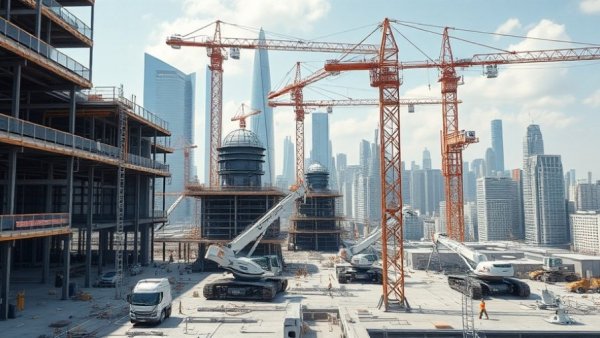
The Essential Role of AI in Modern Engineering
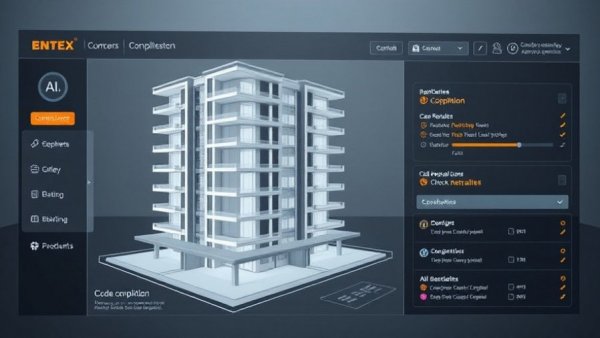
Artificial Intelligence (AI) is steadily transforming the landscape of the civil engineering sector, opening doors for incredible advancements in design optimization, asset management, and predictive maintenance. As U.S. construction professionals grapple with the integration of these technologies into their practices, it’s crucial to recognize one fundamental principle: while AI can enhance capabilities, it is, above all, a tool—not a replacement for licensed engineers. This understanding is essential for both leveraging AI effectively and ensuring safety within the industry.
Understanding AI: A Tool, Not a Replacement
The rapid evolution of AI has sparked excitement due to its potential to streamline workflows, analyze vast datasets, and improve decision-making processes. However, the American Society of Civil Engineers (ASCE) emphasizes that real engineering experience combined with creative problem-solving cannot be substituted by algorithms. As a result, the new AI Roadmap for Application in Civil Engineering (AI RACE) developed by the ASCE serves as a vital framework to help engineers navigate this digital revolution responsibly. It’s essential for contractors, builders, and project managers to understand that the responsibility for engineering decisions must remain with human professionals who possess the necessary qualifications and accountability.
Assessing Safety Standards in AI Applications
When it comes to infrastructure safety, standards and codes are paramount. Civil engineering practices are founded on decades of accumulated knowledge, where learned lessons from past failures guide present-day codes and practices. For instance, modern seismic provisions not only result from scientific studies but also from historical data that reflects real-world consequences of engineering shortcomings. This history reinforces the notion that while AI can analyze data and predict trends, it lacks the nuanced understanding of site-specific circumstances that informs professional judgment.
A Call for Transparency and Responsiveness
As AI technologies become intertwined with engineering processes, transparency becomes a critical part of the conversation. Engineers must advocate for clarity around how AI-generated outputs are developed and validated. The integration of AI into construction projects necessitates that existing validation mechanisms evolve—ensuring that these innovative tools do not compromise public safety or the integrity of engineering decision-making.
Looking Ahead: The Future of AI in Engineering
With AI's rapid integration into the construction industry, professionals should prepare for the emerging challenges it presents. The AI RACE framework outlines pathways to navigate these changes, including initial guidance for specific applications, like data center construction. By embracing AI responsibly and fostering ongoing collaboration among industry stakeholders, civil engineers can secure the benefits of these advancements while maintaining the safety and reliability that the public expects.
In conclusion, as construction professionals, it is vital to remember that AI, while revolutionary, is ultimately a supplementary tool in the hands of licensed engineers—who remain the true protectors of public safety. The integration of AI into construction must be supervised, validated, and guided by professionals to ensure the highest standards in infrastructure development.



Write A Comment