
cropper
update
BUILDING SECTOR INSIGHT'S
update
  • Home
  • Categories
    • Industry Trends
    • Tech Innovations
    • Expert Talks
  • Featured Business Profiles
September 10.2025
2 Minutes Read

Why Therme Manchester Resort is the Future of Urban Wellbeing

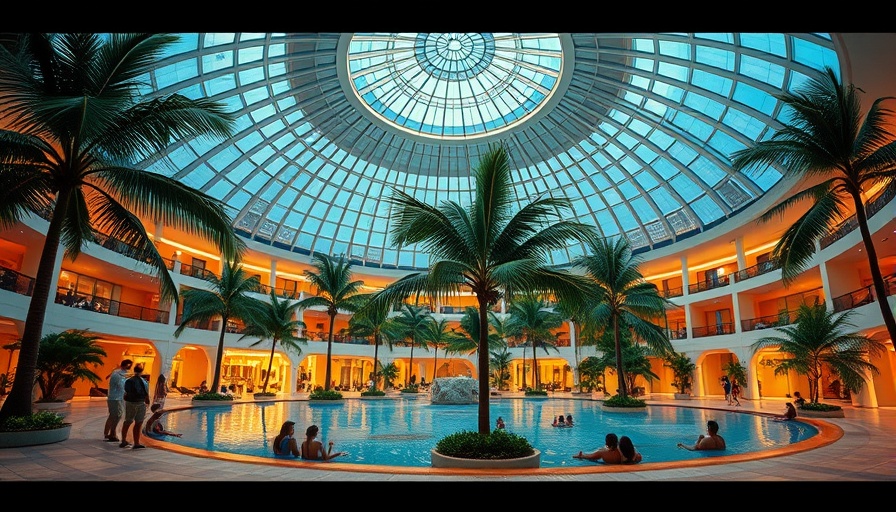
Therme Manchester Resort indoor view with pool and palm trees.

The Future of Wellbeing: Manchester’s Transformative Resort

Therme Manchester, a flagship project valued at £450 million, is set to revolutionize the foundations of urban leisure and wellbeing in the UK. With Sir Robert McAlpine at the helm as construction manager, anticipation for the city's first tropical spa resort is mounting. Located at TraffordCity, this resort will feature not only an expansive thermal pool complex but also a significant investment in sustainability and local infrastructure, proposing a model for future wellness facilities across urban landscapes.

Decoding the Design Details: A Closer Look

The design evolution of Therme Manchester from a single vast glass structure to a series of interconnected pavilions reflects a focused response to both architectural ambition and environmental considerations. This thoughtful redesign aligns with the growing trend towards creating spaces that promote community interaction and ecological mindfulness. In addition to the architectural flair, the resort aims to feature over 25 waterslides, extensive sauna facilities, botanical gardens, and immersive art installations that cultivate a vibrant experience beyond mere leisure.

Community Connect: Accessibility and Infrastructure Planning

Accessibility is a key cornerstone of the Therme Manchester project. The resort will not only be intertwined with TraffordCity's existing transport offerings, such as the Bee Network and Metrolink, but will also introduce new pedestrian and cycling routes along the canals. This emphasis on accessible urban design could serve as an exemplary case for similar future projects across the UK. Stakeholders, including local community members and urban planners, have underscored the importance of such strategic connectivity, enhancing the viability of leisure destinations.

Reflecting on Sustainability Trends in Urban Development

In the context of the UK's growing movement towards sustainable construction, Therme Manchester emerges as a prime example of integrating well-being and environmental responsibility. McAlpine’s emphasis on sustainable practices throughout the building process reflects a dedication to reducing waste and maximizing eco-friendly technologies. This approach not only appeals to a growing demographic of eco-conscious consumers but also sets a precedent for future developments in urban fitness and wellness.

A Vision for the Future: What This Means for the Industry

As urban centers grapple with the dual pressures of overpopulation and environmental concerns, Therme Manchester stands as a beacon of hope—showing how leisure can successfully integrate into urban life without compromising nature. This ambitious venture could signify a pivotal moment in urban development, inspiring builders and investors to rethink how wellness and community infrastructure can operate hand-in-hand. The potential ripple effects of such projects may lead to a broader shift in industry standards and practices.

In conclusion, the successful realization of this project symbolizes much more than just a new spa in Manchester; it represents an evolving paradigm in urban living where wellness, accessibility, and sustainability work in concert to create thriving communities for future generations. Builders and contractors looking to make their mark on similar projects would do well to consider the insights being generated by the Therme Manchester resort.

Featured Business Profiles

15 Views

0 Comments

Write A Comment

*
*
Please complete the captcha to submit your comment.
Related Posts All Posts
06.17.2026

Obama Center Opens, Yet Subcontractors Face Unpaid Invoices: Key Insights

Update Obama Center Opens Amid Controversy Over Unpaid Contractors The recently opened Obama Presidential Center is surrounded by a cloud of controversy as subcontractors report unpaid invoices totaling millions of dollars. Originally touted as a catalyst for local business growth, the $850 million project has faced significant financial struggles, leaving many smaller contractors in precarious positions. Financial Troubles of Local Contractors Despite the grand opening scheduled on Juneteenth, subcontractors have expressed dissatisfaction regarding their payments, with some reportedly owed seven-figure amounts. Omar Shareef, president of the African American Contractors Association, noted that numerous subcontractors have approached him for assistance. Many indicate regret over their involvement with the center due to the financial strain it has caused. Straining Relationships and Legal Actions The project, once believed to cultivate local job opportunities, has unfortunately incited a series of legal complications. A prominent case involves a lawsuit against Thornton Tomasetti, an engineering firm associated with the project, by II in One, a black-owned subcontractor. Allegations of false claims and discrimination bring to light the struggles faced by minority contractors in the industry. A Glimpse at Future Trends and Insights The challenges seen within the Obama Center's development reflect broader trends in construction management, especially where large public projects are involved. As industry players discuss the complexities of cost overruns and contractor relations, experts suggest a need for better risk management practices to avoid similar situations in future projects. The Road Ahead for Contractors With the center now open, the hope remains that subcontractors will see resolution to their unpaid balances. The ongoing negotiations — described by general contractor Lakeside Alliance as an expected part of large project realities — may hold the key to settling disputes and maintaining community support moving forward.

06.04.2026

Cambridge East Project: Transforming Land into 10,000 Homes and Jobs

Update Unlocking a New Community: Cambridge East Development In a landmark agreement, Homes England and The Hill Group have acquired the expansive Cambridge East site, setting the stage for one of the UK’s most ambitious housing projects. This 700-acre property, previously home to the Cambridge City Airport, is poised to become a bustling urban community, delivering over 10,000 new homes, more than 3 million square feet of commercial area, and creating around 9,000 jobs. The first phase of construction is planned to kick off in 2029, marking a significant step in addressing the persistent housing crisis in Cambridge. The Vision Behind Cambridge East The Cambridge East project aims to do more than just provide housing; it looks to create a vibrant, sustainable neighborhood that supports community and economic growth. The development will feature essential amenities, including schools, healthcare facilities, and public green spaces, enhancing the quality of life for future residents. Andy Hill, Chief Executive of The Hill Group, emphasizes the importance of community input in shaping the master plan: “We will make sure the masterplan for this site is informed by local residents and delivers what the community wants,” he stated. This focus on placemaking aims to create an inclusive environment that balances residential and commercial needs. Transport and Connectivity: A Boost for Cambridge A pivotal aspect of the Cambridge East project is its proposed transportation infrastructure. Plans for a new Cambridge East station are in the works, which could improve connectivity to central Cambridge and beyond, including London, Bedford, and Oxford. This investment in transport links is crucial for economic growth, facilitating efficient movement for both residents and businesses. As Housing Secretary Steve Reed remarked, this development is exactly what the country needs: “thousands of new homes to help people get a foot on the housing ladder, backed up with good jobs and modern transport links.” Empowering Local Skills Through Education and Employment In recognizing the importance of local employment opportunities, Homes England and The Hill Group are exploring options for establishing a regional training hub. This initiative aims to develop skills in the construction industry, equipping the local workforce with the capabilities necessary for jobs within the project and beyond. With the anticipated growth in jobs, the Cambridge East development not only supports housing needs but also promotes long-term career pathways for residents. The Journey Ahead: Community Engagement and Planning A comprehensive consultation program is scheduled to commence soon, inviting local residents to share their perspectives and insights on the project. This engagement is crucial in ensuring the development reflects community values and priorities. By creating an open dialogue, Homes England and The Hill Group aim to build trust and transparency as they navigate through planning submissions, while fostering a sense of ownership among future residents. Conclusion: A Model for Future Developments As the Cambridge East project unfolds, it stands as a testament to the potential of collaborative efforts between public and private sectors. With its focus on sustainability, community, and economic growth, this initiative is a model for large-scale urban developments across the UK. For builders, contractors, and stakeholders in the construction industry, Cambridge East represents a significant opportunity not only for investment but also for contributing to the evolution of urban living in this historic city.

06.01.2026

Ferrovial Appoints Alastair Dick as New UK and Ireland Managing Director

Update New Leadership in UK and Ireland Construction Sector Ferrovial Construction has taken a significant step forward by appointing Alastair Dick as the new Managing Director for the UK and Ireland business. This strategic move is set against a backdrop of substantial changes within the company's leadership, including the departure of Karl Goose, who left last December to become the CEO of Keltbray. With over a decade of experience at Bechtel, Dick brings a wealth of knowledge in managing complex infrastructure projects, further solidifying Ferrovial's position in the competitive UK and Ireland market. Experience That Matters Alastair Dick’s extensive background in various infrastructure sectors—ranging from rail and aviation to power and communications—positions him well for his new role. During his tenure at Bechtel, he notably led business development efforts, enhancing the company’s capability in delivering large-scale projects through public-private partnerships and major programme deliveries. This expertise will be invaluable as he navigates the challenges and opportunities ahead at Ferrovial, particularly in targeting growth within critical areas such as transport, energy, and environmental infrastructure. Driving Strategic Performance As the new Managing Director, Dick will oversee the strategic direction and performance of Ferrovial's operations in the region. His leadership is crucial, especially as the company aims to maintain its momentum in delivering major infrastructure projects that support long-term investment priorities in the UK and Ireland. With Ferrovial boasting over 20 years in the market, Dick's goal will be to harness this experience and expand the company's footprint in an ever-evolving landscape marked by sustainability and technological advancements. Ferrovial's Commitment to Sustainable Growth The construction industry is witnessing a pivotal shift towards sustainability, and Ferrovial is poised to be at the forefront of this change. Under Dick's leadership, the company is expected to focus on aligning its projects with environmental standards and modern building practices. This strategic commitment not only addresses regulatory requirements but also responds to the growing demand from stakeholders for environmentally conscious operations. The Future of Infrastructure in the UK and Ireland The appointment of Alastair Dick comes at a time when infrastructure projects are gaining significant traction across the UK and Ireland. With investments being funneled into transport enhancements, energy solutions, and environmental improvements, the sector shows promising growth potential. Industry analysts suggest that as more projects break ground and existing ones expand, firms like Ferrovial, under strong leadership, are well-positioned to capitalize on these opportunities, thereby fostering economic growth in the region. Looking Ahead: Challenges and Opportunities While Dick's leadership offers a wealth of opportunities, it also comes with inherent challenges. Navigating an increasingly competitive market, addressing the industry's labor shortages, and ensuring projects are delivered on time and within budget are pressing concerns. Nevertheless, Dick’s extensive knowledge and experience may serve as a springboard to propel Ferrovial through these hurdles. Conclusion The construction industry in the UK and Ireland stands at a crossroads marked by opportunities for innovation and sustainability. Alastair Dick’s appointment as Managing Director of Ferrovial Construction signifies the firm’s commitment to not only maintain its legacy of delivering significant infrastructure projects but also to adapt to the shifting landscape of construction and environmental standards. Those engaged in the building and contracting sectors can look forward to seeing how these developments will influence future projects, investments, and the overall growth trajectory of the industry.

Terms of Service

Privacy Policy

Core Modal Title

Sorry, no results found

You Might Find These Articles Interesting

T
Please Check Your Email
We Will Be Following Up Shortly
*
*
*