

The Future of Infrastructure: A Collaborative Approach
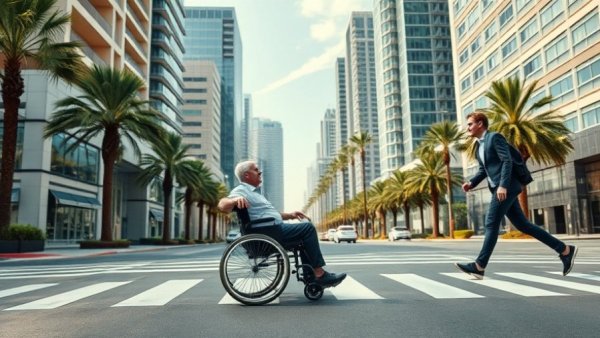
At the recent CoMotion conference in Los Angeles, speakers engaged in discussions about transforming urban infrastructure to make it more inclusive and accessible, particularly as the city prepares for the 2028 Olympic and Paralympic Games. Candace Cable, a Paralympian who shared her experience navigating the city’s streets in a wheelchair, highlighted the urgent need for modifications to existing infrastructure. "People with disabilities should be central to the design story," she emphasized, pointing out that many sidewalks lack proper curb ramps. This narrative sets the stage for a critical examination of how cities can optimize their infrastructure to serve all residents more effectively.
Learning from Global Events: Lessons for LA
With the Olympic Games on the horizon, city planners are looking to other major global events for insights. Hilary Norton, former California Transportation Commission chair, mentioned that regions such as Qatar have implemented innovations like lighted curbs and solar-powered street lights in their urban designs. The key takeaway from these examples is that collaboration across various sectors can yield significant improvements in accessibility, thereby enhancing safety and convenience for all users.
Creating Spaces for Everyone: The Importance of Inclusivity
As conversations around urban space evolve, the Festival Trail project aims to connect 14 Olympic venues with a network of bus rapid transit systems, bike paths, and neighborhood hubs. This initiative recognizes that public spaces and amenities are not just functional; they are also essential for fostering community spirit. Sam Morrissey, LA28’s vice president of transportation, underscored the importance of planning beyond mere logistics: “Collaboration with multiple agencies and tech partners is vital for effective scenario planning.” This kind of forward-thinking approach helps ensure that the needs of everyone, including those with disabilities, are considered.
Overcoming Challenges: Risk Factors in Public-Private Partnerships
While the panelists discussed various innovative solutions, they also acknowledged the pitfalls of public-private partnerships (PPPs). Phil Washington of HNTB stressed that public sector stakeholders must understand the risks associated with such arrangements. Notably, infrastructure projects often falter if those responsible for operations and maintenance aren’t consulted during the design process. This gap can lead to safety hazards and costly legal challenges down the line.
Looking Ahead: The Role of Technology and Modernization
The integration of technology into construction practices can significantly streamline processes and enhance safety. Mariah Ray of Glydways called for modernization of the procurement process to focus on outcome-based specifications, allowing private partners to develop innovative solutions tailored to public needs. Such forward-looking strategies hold promise in making urban infrastructure not only safer but more efficient as well.
With transformative projects like the Festival Trail on the agenda, the lessons learned from prior global events will be invaluable in shaping a more interconnected, equitable infrastructure landscape in Los Angeles. The opportunity here extends beyond merely accommodating the influx of visitors during the Olympics; it is about establishing lasting improvements that benefit all residents for years to come.




Write A Comment