


Businesses with 20 to 300 employees could save over $1,000 per employee per year in payroll taxes—without changing insurance or increasing costs. Unlocking true payroll tax savings may be easier than you think with the Essentials Health Plan (EHP).
Startling Facts About Payroll Tax Savings Every Employer Should Know
📌 Want to find out how much your business could save—without changing providers or cutting coverage?
The Hidden Potential of Payroll Tax Savings for Businesses
Many employers underestimate the opportunities within their payroll processes to achieve significant payroll tax savings and reduce employment tax and federal income tax liabilities. Payroll tax savings are often overlooked because they can seem complex or tied solely to salary adjustments. However, with the right program, businesses can reduce their tax liabilities while enhancing employee benefits simultaneously. Rick Ethell , from the High Octane Benefits Group , explains that the Essentials Health Plan leverages this hidden potential by lowering FICA liabilities and offering valuable benefits without additional costs.
This untapped value can lead to annual savings of $750 to $1,000+ per enrolled employee, directly impacting the company's bottom line. Beyond direct payroll tax reductions, employers also benefit from improved worker satisfaction and reduced turnover, all without sacrificing the quality of employee health plans.

Insightful business meeting, focused professionals reviewing financial graphs and payroll savings charts, serious and collaborative mood, photorealistic high fidelity lifelike, modern corporate conference room with glass walls and city view, highly detailed, realistic business attire, crisp colors, natural morning lighting, shot with a 35mm lens.
Overview of Payroll Taxes and Employment Tax Obligations
Understanding Payroll Tax, Employment Taxes, and Tax Deductions
Payroll taxes, including federal income tax, social security tax, medicare tax, and unemployment tax, are compulsory taxes employers must pay based on the wages paid to employees. These taxes fund social insurance programs such as Social Security and Medicare. In addition to federal payroll taxes, employers may also be responsible for state and local taxes, which encompass various mandatory and voluntary deductions. Proper comprehension of these tax obligations helps companies identify legitimate avenues for payroll tax savings .
Employment tax obligations generally include both employer and employee contributions to federal programs. Employers act as custodians, withholding payroll tax, tax withholding, and federal income tax amounts from employees and remitting these along with their employment taxes directly to tax authorities. Navigating this web of requirements while optimizing costs demands specialized knowledge—something the Essentials Health Plan program addresses skillfully.
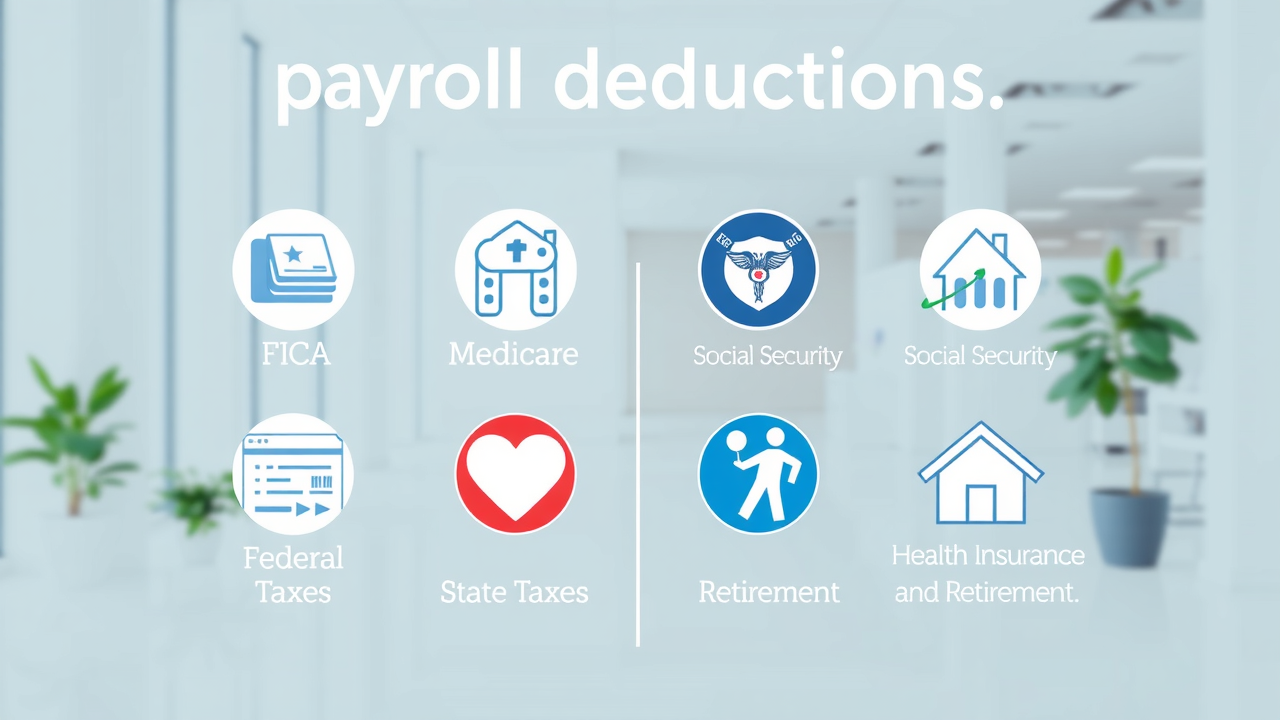
Key Components: FICA Tax, Medicare Tax, and Social Security TaxThe primary components of payroll taxes include the Federal Insurance Contributions Act (FICA) taxes, covering both social security tax and medicare tax. Employers contribute a matching amount for FICA taxes—6.2% for Social Security and 1.45% for Medicare—based on employee wages. These contributions represent a significant expense on the employer’s payroll. However, the Essentials Health Plan includes structural elements that effectively reduce the employer’s FICA tax liability without altering employee wages or benefits.Understanding these components is essential for harnessing payroll tax savings . By strategically integrating health plan options compliant with tax regulations, employers can alleviate part of their tax burden while preserving or expanding employee benefits, a win-win scenario emphasized by experts at High Octane Benefits Group.Detailed infographic displaying required vs optional payroll deductions, including FICA taxes, federal income taxes, state and local taxes, wage garnishments, health insurance, retirement contributions, union dues, job-related expenses, photorealistic high fidelity lifelike, clean office background, highly detailed, vibrant colors, natural lighting, shot with a macro lens.Introducing the Essentials Health Plan (EHP) for Payroll Tax Savings
How EHP Works to Reduce Payroll Taxes Without Increasing Costs
The Essentials Health Plan (EHP) helps employers reduce payroll tax liability, especially FICA taxes and employment taxes, through compliant strategies that avoid increasing health insurance premiums or deductibles. Instead of cutting employee benefits or increasing costs, EHP delivers added value by structuring employee benefits that qualify for tax savings.
This is achieved by including a package of benefits such as 24/7 telehealth access, wellness support, prescription savings, and mental health tools that meet IRS guidelines, thereby reducing the portion of wages subject to payroll taxes. Rick Ethell, of High Octane Benefits Group, states, “The Essentials Health Plan allows businesses to save $750–$1,000 or more per enrolled employee per year without changing insurance or increasing costs.”

Confident financial consultant presenting EHP options to business owner, positive expressions, gesturing toward a digital financial projection, photorealistic high fidelity lifelike, executive office with modern decor and large windows, highly detailed, dynamic interaction, balanced color palette, soft overhead lighting, shot with a 50mm lens.
Benefits for Employers: Reduced FICA Liability and Tax Deductions
Employers enrolled in the Essentials Health Plan benefit from reduced FICA tax liabilities, including lower social security tax and medicare tax, due to the plan's specialized benefit structure. By offering enhanced benefits that are compliant with payroll tax regulations, a significant portion of employees’ wages can be excluded from the taxable payroll basis. This reduction translates into direct cost savings on employment taxes for the company.
Additionally, businesses benefit through substantial tax deductions and tax deductions related to retirement plans associated with offering value-packed health benefits. These deductions, paired with the reduction in payroll taxes, improve a company’s financial efficiency. Companies often find that the Essentials Health Plan not only improves their tax position but also boosts employee morale by providing meaningful health benefits that employees appreciate.
“The Essentials Health Plan allows businesses to save $750–$1,000 or more per enrolled employee per year without changing insurance or increasing costs,” explains the team at High Octane Benefits Group.
Comprehensive Employee Benefits Included in the Essentials Health Plan
Value-Packed Benefits: 24/7 Telehealth, Wellness Support, Prescription Savings, and Mental Health Tools
The Essentials Health Plan offers a broad suite of employee benefits designed to enhance overall wellness and healthcare access. Employees gain 24/7 telehealth services providing convenient medical consultations that reduce time off work and healthcare costs. Complementary wellness support programs encourage healthier lifestyles, which can reduce long-term healthcare expenses for both employees and employers.
Additional benefits include prescription savings programs that lower medication costs and mental health tools that support psychological wellbeing. These comprehensive benefits contribute to improved employee productivity, lower absenteeism, and increased job satisfaction—key factors in retaining a valuable workforce.

Happy diverse employees using telehealth services on digital devices, engaging in wellness activities, photorealistic high fidelity lifelike, modern office background with natural light, highly detailed, vibrant colors, warm lighting, shot with a wide-angle lens.
How Enhanced Employee Benefits Improve Satisfaction and Retention
Offering enhanced benefits through the Essentials Health Plan significantly impacts employee satisfaction and retention rates. Access to convenient telehealth and wellness tools signals an employer’s commitment to health and wellbeing, fostering loyalty and engagement among staff.
This improved employee experience reduces turnover, saving companies the high costs associated with recruiting and training replacements. The plan's non-intrusive cost structure also means employers maintain a competitive edge in benefit offerings without financial strain, cultivating a stable and motivated workforce ready to contribute fully.

Cheerful employees celebrating success, positive teamwork, diverse staff holding small benefit cards and smiling, photorealistic high fidelity lifelike, open collaborative workspace with plants and artwork, highly detailed, dynamic celebration pose, bright colors, soft daylight, shot with an 85mm lens.
Tax Advantages and Compliance of the Essentials Health Plan
Ensuring Full Compliance with Employment Tax Regulations
Ensuring full compliance with employment tax regulations, including federal income tax and payroll tax laws, is critical for any program offering payroll tax savings. The Essentials Health Plan is fully compliant, designed to meet IRS and Department of Labor requirements to ensure legitimate tax benefits for employers without the risk of audits or penalties.
Rick Ethell of High Octane Benefits Group advises, “Our program integrates seamlessly with payroll systems and maintains strict adherence to evolving tax laws, allowing employers to confidently reduce tax liability while providing excellent benefits.” For employers, this assurance around compliance adds peace of mind and stability to their financial planning.

Professional compliance officer reviewing tax documents, thoughtful and meticulous expression, photorealistic high fidelity lifelike, contemporary workspace with organized files and compliance checklists, highly detailed, muted color scheme, natural afternoon lighting, shot with a 70mm lens.
Additional Savings: Impact on Workers’ Compensation Premiums
In addition to payroll tax savings, participation in the Essentials Health Plan can lower workers’ compensation premiums by reducing reported payroll and employment tax exposure, including social security and medicare taxes. Since certain benefits provided by EHP reduce reported payroll and categorize compensation differently, insurers may view the risk exposure as lowered, leading to premium discounts.
This secondary avenue of savings further strengthens the business case for adopting the Essentials Health Plan. Lower workers’ comp insurance costs combined with payroll tax savings contribute to significant overall reductions in labor-related expenses.

Business leader holding comparison chart of lower worker's compensation premiums, satisfied expression, photorealistic high fidelity lifelike, office boardroom with large windows and graphs on the screen, highly detailed, dynamic body language, cool tones, ambient lighting, shot with a 50mm lens.
How to Qualify and Implement the Essentials Health Plan for Payroll Tax Savings
Eligibility Criteria: Businesses with 20 to 300 W-2 Employees
The Essentials Health Plan caters primarily to companies with between 20 and 300 W-2 employees. This flexible range ensures that small to medium-sized businesses can access the program’s benefits. Most employers in this category are pleasantly surprised to discover qualification is straightforward and does not require complex documentation or structural changes.
For businesses eager to explore payroll tax savings , this opens a valuable door to reducing tax burdens without sacrificing employee benefits or complicating payroll administration.
Seamless Integration with Payroll Systems and Zero Net Cost
Implementation of the Essentials Health Plan is designed to be simple and frictionless. The program integrates directly with existing payroll systems, minimizing administrative effort and streamlining tax reporting requirements. Importantly, the plan incurs zero net cost for the employer, as savings on taxes offset associated expenses.
Rick Ethell from High Octane Benefits Group affirms, “Most employers are surprised to learn they already qualify for this program, unlocking tens of thousands in recurring annual savings.” This ease of adoption and immediate financial impact make EHP highly attractive for busy business owners focused on both cost management and employee wellbeing.
Common Questions About Payroll Tax Savings and the Essentials Health Plan
Is There Any Way to Reduce Payroll Tax?
Yes. Employing compliant benefits programs like the Essentials Health Plan allows for legitimate reductions in the taxable payroll base, effectively reducing payroll tax liabilities.
How to Get Less Taxes Taken Out of a Paycheck?
While employees control withholding allowances, employers can lower taxable wages through programs like EHP, indirectly reducing payroll taxes deducted from paychecks by reducing employer-side tax expenses.
Can I Write Off Payroll Taxes?
Employers can claim payroll taxes as a tax deduction on their business returns, reducing taxable income and overall federal income tax liability.
How to Maximize Savings as a W2 Employee?
Employees benefit by participating in comprehensive benefit programs that reduce out-of-pocket healthcare costs, improve wellness, and indirectly lower tax burdens through employer savings passed forward.
Key Takeaways: Maximizing Payroll Tax Savings with the Essentials Health Plan
|
Category |
Essentials Health Plan (EHP) |
Typical Plans |
|---|---|---|
|
Payroll Tax Savings |
Up to $1,000+ per enrolled employee annually |
Minimal or none |
|
Employee Benefits |
24/7 Telehealth, wellness, prescription, mental health tools |
Basic or limited benefits |
|
Eligibility |
Businesses with 20–300 W-2 employees |
Varies widely |
|
Cost Impact |
Zero net cost; savings offset expenses |
Often higher premiums or deductibles |
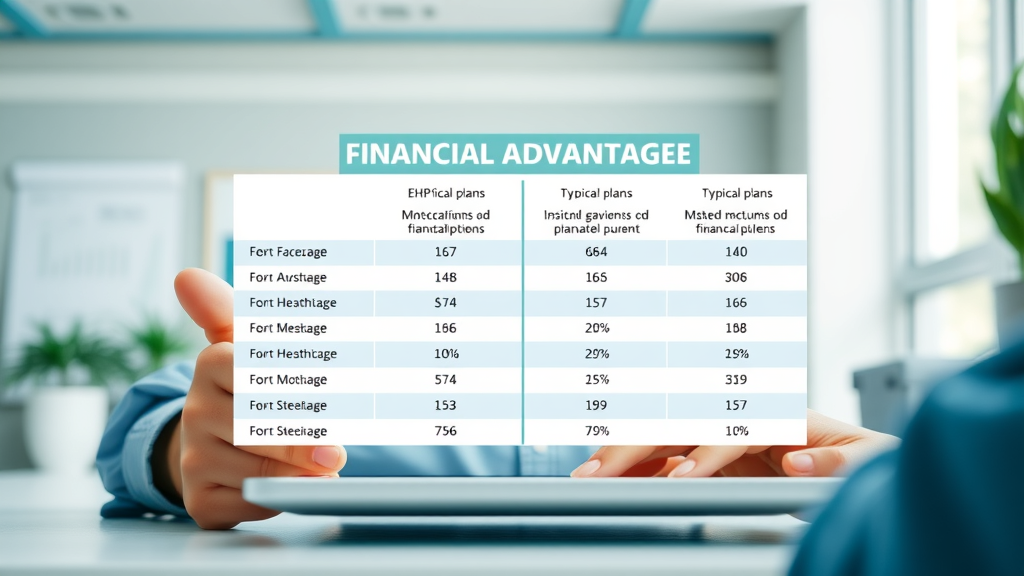
Structured comparison table showing financial advantages, side-by-side columns for EHP vs typical plans, photorealistic high fidelity lifelike, clean office background with tablet and charts visible, highly detailed, blue and green color accents, soft white lighting, shot with an 80mm lens.
Conclusion: Unlock Payroll Tax Savings Without Cutting Benefits
Why the Essentials Health Plan is a Game-Changer for Employers
The Essentials Health Plan revolutionizes how employers approach payroll tax savings . By combining robust, valued employee benefits with strategic tax savings mechanisms, employers no longer face the trade-off between reducing costs and maintaining competitive benefits. Instead, they achieve both—cutting significant payroll taxes while enhancing workforce health, satisfaction, and retention.
Next Steps to Check Your Eligibility and Start Saving
-
Save $750–$1,000+ per enrolled employee annually
-
Maintain or enhance employee benefits
-
Reduce FICA and other employment taxes
-
Improve employee satisfaction and retention
-
No increase in insurance costs or deductibles
High Octane Benefits Group emphasizes, “If you’ve been told your only option is to raise deductibles or reduce coverage, this program may be exactly what you need.”


Write A Comment